How to Examine Providers in an Assisted Living Home
Business Name: BeeHive Homes of Goshen
Address: 12336 W Hwy 42, Goshen, KY 40026
Phone: (502) 694-3888
BeeHive Homes of Goshen
We are an Assisted Living Home with loving caregivers 24/7. Located in beautiful Oldham County, just 5 miles from the Gene Snyder. Our home is safe and small. Locally owned and operated. One monthly price includes 3 meals, snacks, medication reminders, assistance with dressing, showering, toileting, housekeeping, laundry, emergency call system, cable TV, individual and group activities. No level of care increases. See our Facebook Page.
12336 W Hwy 42, Goshen, KY 40026
Business Hours
Choosing assisted living is seldom simply a housing decision. It is a care decision, a way of living choice, and typically a family members decision made under pressure. Most people do not start the search due to the fact that life is calm and foreseeable. They start because a parent has dropped, medicine is getting missed, dishes are missed, isolation is resolving in, or a caretaker has reached the edge of what one household can deal with safely.
That is why examining services in an assisted living home takes more than a polished pamphlet and a pleasurable tour. The dining room might look lovely, but the actual inquiry is whether the area can reliably support every day life, maintain dignity, and adapt as requirements transform. Excellent assisted living does not just load an area. It helps somebody maintain a rhythm to the day, stay clear of preventable situations, and feel recognized rather than managed.
I have seen family members focus almost totally on apartment dimension or décor, then discover far too late that the actual distinction between communities is in the services. The information issue. How swiftly does team react to a telephone call switch. What occurs if a resident begins needing help with wearing the early morning and once more during the night. Can the kitchen deal with a diabetic diet without making the resident feeling distinguished. Exists real social involvement, or just a schedule with even more print than material. These are the inquiries that separate a smooth transition from an irritating one.
Start with the individual, not the building
Before comparing neighborhoods, obtain clear on the person that will live there. Assisted living jobs best when the assistance matches the resident's real demands, not simply their medical diagnosis. An individual that needs suggestions, meals, housekeeping, medicine assistance, and guidance may flourish in assisted living. Somebody that requires facility wound care, constant competent nursing, or continuous monitoring might require a different degree of senior care.
This is where households in some cases look for "assisted living near me" or "senior care near me" before they have actually completely defined the trouble. Area matters, obviously, specifically if family members visits often or if a spouse is still living individually. Yet proximity ought to not out perform fit. A neighboring place that can not take care of changing needs can create a lot more disruption than a slightly farther area that is structured and dependable.
A practical primary step is to document the resident's day from early morning to night. Not a clinical recap, yet a real-life map. Do they need help rising, bathing, choosing clothing, managing hearing aids, remembering lunch, or remaining hydrated. Do they stray at night. Do they have arthritis that makes buttoning tee shirts difficult. Are they socially separated. When you recognize the rhythm, you can judge services against lived truth rather than advertising and marketing language.
What solutions must be plainly defined
A strong assisted living home need to explain, in ordinary language, what is consisted of, what costs added, and what happens when requires change. Vague answers are an indication. The best communities specify since they have actually discovered that ambiguity causes aggravation later.
The core solutions generally deserve close examination. Medicine administration is just one of one of the most important, since blunders right here can produce severe illness. Ask how drugs are stored, that provides them, and exactly how adjustments from a physician are handled. Ask what happens if a resident refuses a dose or if a prescription is delayed. A good solution is not simply "we take care of it." It is a clear explanation of procedure.
Meal service likewise is worthy of attention. Numerous assisted living areas market chef-prepared dining, yet the concern is not only taste. It is timing, nutrition, adaptability, and whether staff notice modifications in cravings. A resident with dementia might need hints to eat. Somebody recovering from disease may require small portions more regularly. A resident with diabetes might need constant carbohydrate control, not just a note on the menu. The appropriate concern is whether the eating program supports the individual's health rather than merely feeding a room of homeowners at scale.
Housekeeping and laundry sound routine till they become the important things that keeps a person living securely and conveniently. Clean floors, fresh linens, and an area that is frequently grabbed reduce drops and infection danger. Washing issues more than people anticipate, particularly when a resident can not manage it themselves. Ask just how commonly housekeeping is done, whether individual washing is consisted of, and exactly how lost things are tracked. In numerous families, apparel mix-ups are the initial indication that systems are too loose.
Transportation is an additional major solution with real repercussions. A community might assure trips, but what matters is whether the timetable serves. Can homeowners reach medical consultations, food store, religious solutions, or salon without waiting a week. If a partner or grown-up youngster will certainly still handle some getaways, ask whether the resident can be all set promptly, whether team helps with entering and out of vehicles, and whether mobility devices can be accommodated.
Pay attention to the difference between support and supervision
Families usually think all assisted living solutions are the same due to the fact that the communities utilize similar expressions. They are not. One location may use marginal assistance, an additional may fit with homeowners who require substantial cueing and hands-on assistance, and a third may be better suited to individuals that are mostly independent but desire protection and convenience.
This distinction matters when you compare senior living communities. A resident that needs just periodic suggestions may do well in a lighter-support setting. Someone with equilibrium concerns, moderate cognitive decrease, or a background of medication complication may need more watchful staff existence. If you hear a neighborhood say they can "suit altering needs," ask what that suggests in practice. Do they have enough staff at peak times. Can they enhance help with clothing or showering. At what point would they recommend a greater level of care.
An excellent area will not overpromise. It will certainly be honest regarding who it offers finest. That honesty is a stamina, not a weakness.
Staff high quality commonly informs the real story
When individuals discuss assisted living, they often define amenities. Family members that have lived through the action have a tendency to talk about staff. That is because services are just comparable to individuals delivering them.
Observe just how personnel talk to homeowners. Do they use names. Do they kneel or flex slightly to make eye contact. Do they relocate with patience or with visible irritability. A solitary tour can expose a lot if you focus. See whether staff members knock prior to getting in rooms, whether they respond promptly when someone calls out, and whether residents appear recognized or simply processed.
Turnover deserves asking about, also if the solution is approximate. Communities with unsteady staffing frequently battle to maintain regular solution. A resident with amnesia might become troubled if the faces around them transform continuously. Relative may likewise discover that the person they built trust with is gone within a couple of months. That loss of connection affects fulfillment greater than numerous glossy pamphlets suggest.
Training issues also. Ask just how the personnel is learnt dementia assistance, loss avoidance, infection control, and emergency reaction. A community that serves homeowners senior living near me with diverse needs ought to be able to describe not just what training exists but exactly how usually it is refreshed. Skilled senior care is hardly ever accidental.
Use the tour to evaluate the solution culture
A tour is not an efficiency to enjoy passively. It is a working meeting. The lobby may be spotless, but the corridors, eating area, medication process, and typical locations inform a fuller story.
Try checking out during a busy time, not just by consultation on a peaceful mid-day. Lunch or late mid-day can disclose exactly how the area functions when routines are under strain. Do residents look hurried or supported. Are telephone call lights answered without delay. Are people resting alone for long stretches. Exist activities, or just announcements. A community that operates well under typical load frequently deals with tough days much better too.
It aids to ask functional inquiries while touring. How are citizens assisted when they require help to the dining room. What takes place if a person sleeps with morning meal. Exactly how frequently are care strategies updated. If a resident has an adjustment in movement, just how quickly is the solution plan changed. These inquiries are not fussy. They are the distinction in between static solution and receptive care.
If you are contrasting alternatives after searching "assisted living near me," stand up to the urge to concentrate only on what looks nicest from the street. The even more telling indications often appear in small information, such as whether citizens are out of their areas, whether personnel welcome each various other with experience, and whether someone quietly checks on a resident who appears unsteady.
A short checklist for the most vital service questions
A few questions deserve to be asked virtually whenever. Keep them brief and direct, because vague responses are simpler to conceal behind.
- What specific daily jobs are consisted of in the monthly price, and what expenses extra?
- How is drug assistance dealt with, and who is in charge of adjustments or errors?
- What happens when a resident requirements much more help than they did at admission?
- How are meals adjusted for clinical or personal requirements, such as diabetes mellitus, ingesting concerns, or low appetite?
- What is the staff-to-resident pattern during the times of day when homeowners need the most help?
That last question issues greater than people think. A neighborhood can seem well staffed in the abstract and still be very finely covered at 6:30 a.m. Or around bedtime, when bathing, dressing, and medicine reminders often cluster.
Ask regarding social life, since isolation is a care issue
Some households treat activities as an incentive, something wonderful if there is time left over. That misses the point. Social interaction affects appetite, state of mind, cognitive wellness, and also exactly how eager a resident is to get out of bed. A thoughtful activities program becomes part of senior living, not decoration.
Look past the calendar. A lengthy checklist of occasions does not guarantee engagement. Ask that leads the activities, just how usually homeowners in fact participate in, and whether the programs reflect different capabilities and interests. Some citizens want workout courses or card video games. Others need smaller, calmer groups. Locals with hearing loss may stay clear of huge noisy activities if nobody includes them. Someone with very early cognitive decline might need more organized assistance to participate meaningfully.
Also ask whether the neighborhood sustains faith techniques, household visits, and outdoors community participation. A resident must not need to give up the parts of life that give shape to their identification. Good assisted living maintains a feeling of continuity. It does not flatten individuals right into a schedule.
Respite care can disclose a whole lot concerning the home
If you are not prepared for a long-term move, or if the family members intends to examine a community before committing, respite care can be a helpful bridge. Short remains typically expose what sales brochures can not. A person might be much more relaxed after a few days, or they may notice voids in the solution design right away.
Respite care is especially practical when the family caretaker requires a break, when the main home is being repaired, or when somebody is recovering after a medical facility stay and requires temporary assistance. It is additionally a good way to see whether the neighborhood can genuinely take care of personal regimens, medicine routines, and psychological modification without the pressure of a long-lasting contract.
In practice, I have actually seen respite stays expose issues that explores never did. One resident uncovered that the food was great, however breakfast service started too late for their drug routine. An additional discovered that the staff was kind however also slow-moving to assist with a walker at busy times. These are the sorts of details that shape day-to-day live. A brief keep gives them a possibility to surface area before the decision ends up being permanent.
Financial transparency issues as long as hospitality
Money is typically the hardest part of evaluating assisted living since the prices structure can be complicated. A neighborhood might estimate one base price, after that include fees for care degrees, medication monitoring, showering support, companions to meals, laundry, second-person transfers, or special diets. Family members can be amazed by the monthly expense if they just contrast the promoted rate.
Ask for a written malfunction. Try to find admission costs, move-in charges, neighborhood charges, and any kind of policies that set off rate changes. Ask how commonly evaluations are upgraded and whether they can elevate the care level based on transforming demands. If a resident starts requiring much more hands-on support, how much does the monthly bill usually increase. No one likes discussing hypotheticals, yet this discussion protects against later on stress.
It additionally assists to ask what the neighborhood does not bill for. Some areas include transport within a particular radius, while others costs per journey. Some consist of basic wire or net, while others do not. The genuine contrast is not just the starting cost. It is the most likely total amount price of living there month after month.
The ideal indicator is consistency, not perfection
No assisted living home is remarkable. Citizens have bad days. Team are human. Schedules change. What you are seeking is not perfection, but consistency in the things that matter many. Are locals treated with regard also when they are perplexed or restless. Are promises about care actually honored. Does the community react thoughtfully when requires change.
A polished environment with irregular solution can become tiring for families. A less complex, much less flashy area with stable, alert care can really feel far better. That compromise prevails. Households frequently discover that the facility checklist is lesser than whether the place is reliable at 7 a.m., at supper, and during a challenging shift after a hospitalization.
When an area gains count on, it generally does so in small ways. A staff member keeps in mind that a person chooses tea over coffee. A nurse notifications a modification in gait prior to a fall takes place. A caretaker returns a lost coat rather than shrugging it off. These small acts are not small whatsoever. They are the texture of good senior care.
Trust your monitorings, however verify them
Families occasionally second-guess themselves after a tour. They stress they are being also fussy or not choosy sufficient. That is normal. A step right into assisted living is emotional, and it is easy to confuse appeal with proficiency or worry that a practical inquiry sounds rude. It does not. A thoughtful evaluation is part of liable decision-making.
If an area really feels warm yet leaves crucial inquiries unanswered, keep pressing. If the answers are great yet the ambience really feels cool, pay attention to that as well. The right community ought to be able to discuss exactly how it supports homeowners without defensiveness. It needs to welcome examination, since great systems tend to hold up under questions.
If feasible, revisit the top choices greater than when. Speak with residents and, if permitted, family members. Ask to see example care plans, dining schedules, or activity schedules. Notice whether the responses remain constant throughout personnel. An area that informs you one thing at the front desk and an additional in the hallway is exposing something important.
Selecting assisted living is ultimately about discovering a place where the daily service version fits the individual, not the other way around. When that fit is right, the action can soothe pressure on the family and provide the resident back a feeling of safety and routine. When the fit is incorrect, even a gorgeous building comes to be an irritating location to live. The difference beings in the information, and those details are entitled to time, focus, and a clear eye.
BeeHive Homes of Goshen provides assisted living care
BeeHive Homes of Goshen provides memory care services
BeeHive Homes of Goshen provides respite care services
BeeHive Homes of Goshen supports assistance with bathing and grooming
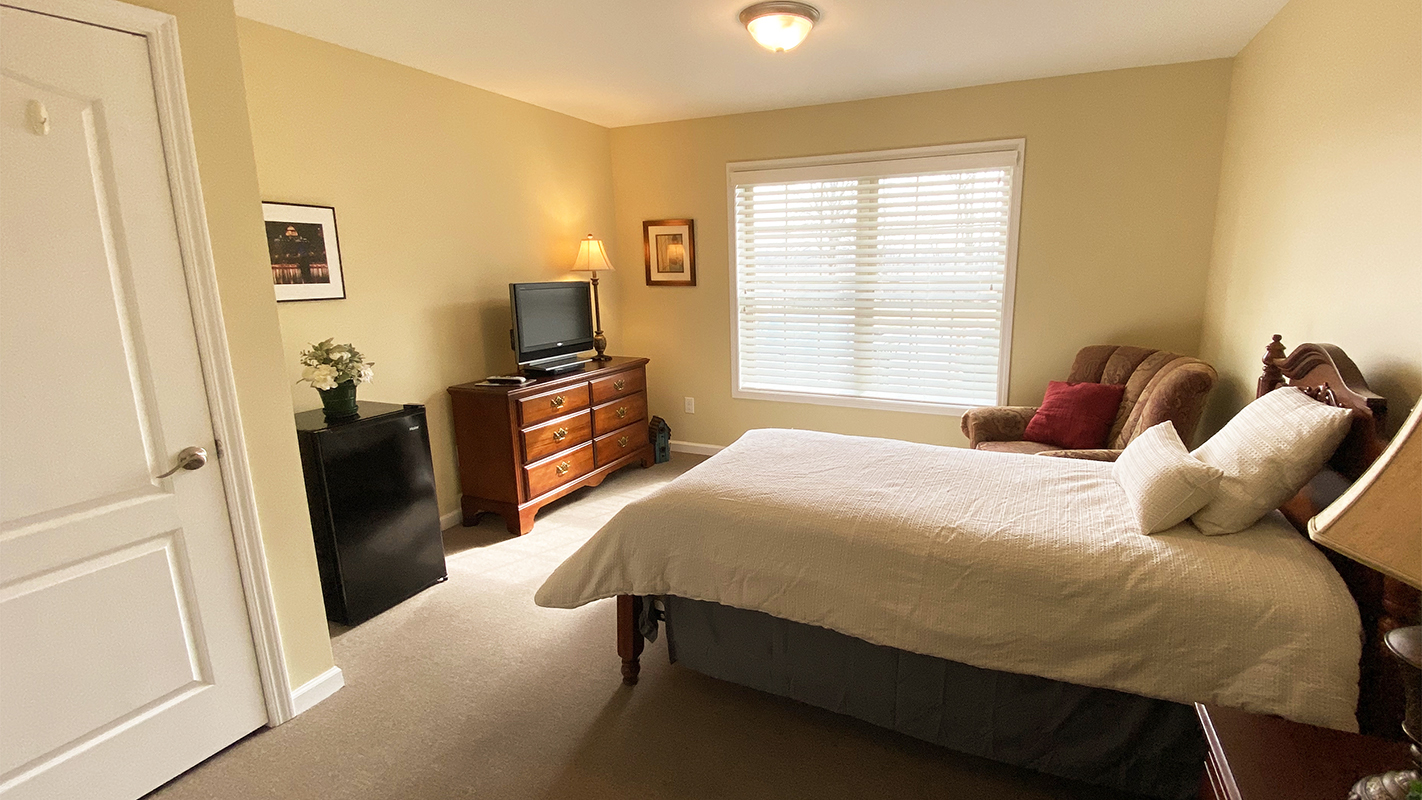
BeeHive Homes of Goshen offers private bedrooms with private bathrooms
BeeHive Homes of Goshen provides medication monitoring and documentation
BeeHive Homes of Goshen serves dietitian-approved meals
BeeHive Homes of Goshen provides housekeeping services
BeeHive Homes of Goshen provides laundry services
BeeHive Homes of Goshen offers community dining and social engagement activities
BeeHive Homes of Goshen features life enrichment activities
BeeHive Homes of Goshen supports personal care assistance during meals and daily routines
BeeHive Homes of Goshen promotes frequent physical and mental exercise opportunities
BeeHive Homes of Goshen provides a home-like residential environment
BeeHive Homes of Goshen creates customized care plans as residents’ needs change
BeeHive Homes of Goshen assesses individual resident care needs
BeeHive Homes of Goshen accepts private pay and long-term care insurance
BeeHive Homes of Goshen assists qualified veterans with Aid and Attendance benefits
BeeHive Homes of Goshen encourages meaningful resident-to-staff relationships
BeeHive Homes of Goshen delivers compassionate, attentive senior care focused on dignity and comfort
BeeHive Homes of Goshen has a phone number of (502) 694-3888
BeeHive Homes of Goshen has an address of 12336 W Hwy 42, Goshen, KY 40026
BeeHive Homes of Goshen has a website https://beehivehomes.com/locations/goshen/
BeeHive Homes of Goshen has Google Maps listing https://maps.app.goo.gl/UqAUbipJaRAW2W767
BeeHive Homes of Goshen has Facebook page https://www.facebook.com/beehivehomesofgoshen
BeeHive Homes of Goshen won Top Assisted Living Homes 2025
BeeHive Homes of Goshen earned Best Customer Service Award 2024
BeeHive Homes of Goshen placed 1st for Senior Living Communities 2025
People Also Ask about BeeHive Homes of Goshen
What does assisted living cost at BeeHive Homes of Goshen, KY?
Monthly rates at BeeHive Homes of Goshen are based on the size of the private room selected and the level of care needed. Each resident receives a personalized assessment to ensure pricing accurately reflects their care needs. Families appreciate our clear, transparent approach to assisted living costs, with no hidden fees or surprise charges
Can residents live at BeeHive Homes for the rest of their lives?
In many cases, yes. BeeHive Homes of Goshen is designed to support residents as their needs change over time. As long as care needs can be safely met without requiring 24-hour skilled nursing, residents may remain in our home. Our goal is to provide continuity, comfort, and peace of mind whenever possible
How does medical care work for assisted living and respite care residents?
Residents at BeeHive Homes of Goshen may continue seeing their existing physicians and medical providers. We also work closely with trusted medical organizations in the Louisville area that can provide services directly in the home when needed. This flexibility allows residents to receive care without unnecessary disruption
What are the visiting hours at BeeHive Homes of Goshen?
Visiting hours are flexible and designed to accommodate both residents and their families. We encourage regular visits and family involvement, while also respecting residents’ daily routines and rest times. Visits are welcome—just not too early in the morning or too late in the evening
Are couples able to live together at BeeHive Homes of Goshen?
Yes. BeeHive Homes of Goshen offers select private rooms that can accommodate couples, depending on availability and care needs. Couples appreciate the opportunity to remain together while receiving the support they need. Please contact us to discuss current availability and options
Where is BeeHive Homes of Goshen located?
BeeHive Homes of Goshen is conveniently located at 12336 W Hwy 42, Goshen, KY 40026. You can easily find directions on Google Maps or call at (502) 694-3888 Monday through Sunday 7:00am to 7:00pm
How can I contact BeeHive Homes of Goshen?
You can contact BeeHive Homes of Goshen by phone at: (502) 694-3888, visit their website at https://beehivehomes.com/locations/goshen/, or connect on social media via Facebook
You might take a short drive to the Howard Steamboat Museum. The Howard Steamboat Museum offers local history exhibits that create a meaningful assisted living and memory care outing during senior care and respite care visits.